
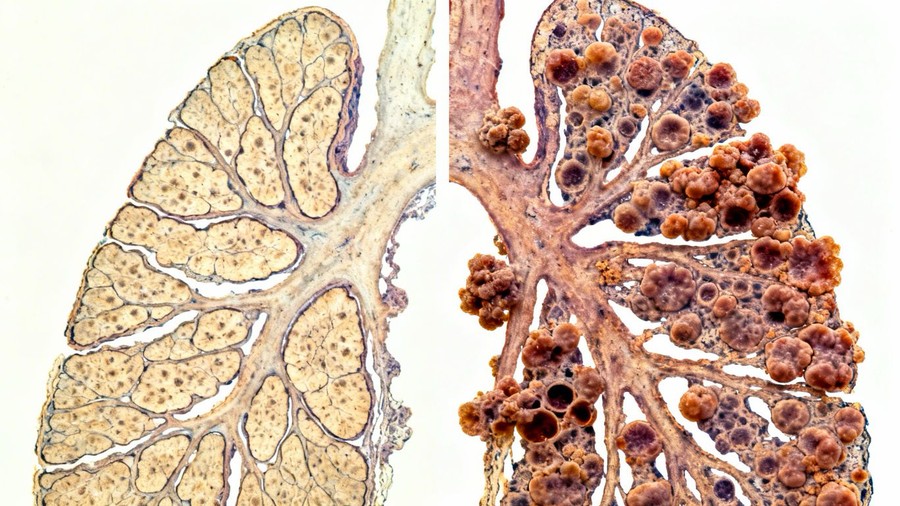

Mesothelioma, a serious cancer, primarily affects the lining of the lungs, chest, heart, and abdomen. While often discussed separately, understanding its development sheds light on broader lung health issues. The connection between asbestos exposure and mesothelioma is well-established, making it a key focus in understanding how certain environmental factors can lead to aggressive cancers. This rare disease, unfortunately, has a low survival rate, and its development is a complex process.
The Role of Asbestos Exposure in Mesothelioma
Asbestos, a group of naturally occurring minerals, was widely used in construction and manufacturing for decades. When inhaled, these microscopic fibers can become lodged in the mesothelial cells lining the body’s internal organs, particularly the lungs. Over time, these fibers can cause chronic inflammation and cellular damage. This damage is the primary driver behind the development of mesothelioma. It’s important to note that asbestos exposure significantly increases the risk of developing lung cancer, even if mesothelioma itself is a distinct diagnosis [b145].
Latency Period of Mesothelioma Development
One of the most challenging aspects of mesothelioma is its long latency period. It can take anywhere from 10 to 50 years from the initial asbestos exposure for symptoms to appear and a diagnosis to be made. This extended timeframe means that individuals exposed decades ago may only now be developing the disease. This prolonged period makes it difficult to directly link current diagnoses to past exposures without thorough investigation.
Distinguishing Mesothelioma from Other Lung Cancers
While both mesothelioma and lung cancer can be caused by asbestos, they are distinct diseases. Lung cancer typically originates within the lung tissue itself, whereas mesothelioma arises from the mesothelium, the protective lining. Key differences include:
- Origin: Lung cancer starts in the lung tissue; mesothelioma starts in the lining (pleura, peritoneum, etc.).
- Cell Type: Lung cancers are often carcinomas (adenocarcinoma, squamous cell carcinoma, etc.); mesothelioma is a specific type of cancer of the mesothelial cells.
- Treatment Approaches: While some treatments overlap, the specific staging and therapeutic strategies can differ significantly, requiring specialized care [0546].
Understanding these distinctions is vital for accurate diagnosis and effective treatment planning.
Primary Causes of Mesothelioma
When we talk about what causes mesothelioma, there’s one main culprit that stands out above all others: asbestos. It’s a naturally occurring mineral, and for a long time, it was used in all sorts of building materials and products because it’s tough, fire-resistant, and cheap. Think insulation, brake pads, even some types of cement. The problem is, when these materials break down, they release tiny fibers into the air. If these fibers get inhaled or swallowed, they can end up lodging in the body’s lining, particularly the pleura, which is the tissue surrounding the lungs.
Asbestos Fiber Inhalation and Settling
So, how does this actually happen? It starts with exposure. People often encounter asbestos fibers in workplaces like construction sites, shipyards, or factories where asbestos-containing materials were manufactured or used. Even living with someone who worked with asbestos could lead to exposure, as fibers could be carried home on clothing. Once these microscopic fibers are in the air, they can be breathed in. They’re so small and sharp that they don’t just get coughed out. Instead, they can travel deep into the lungs or settle on other internal surfaces, like the lining of the abdomen. Because they’re durable, they tend to stay put.
Inflammation and Cellular Damage
Once these asbestos fibers embed themselves, they start causing trouble. The body sees them as foreign invaders and tries to get rid of them, leading to chronic inflammation. Imagine a tiny splinter that just won’t come out – it keeps irritating the area. This ongoing inflammation is a key factor. Over many years, this constant irritation can damage the mesothelial cells, which are the cells that make up the lining where the fibers have settled. This damage isn’t usually immediate; it’s a slow process that can take decades. The persistent cellular stress and damage are what can eventually lead to uncontrolled cell growth, the hallmark of cancer.
Genetic Predispositions to Mesothelioma
While asbestos exposure is the primary cause, not everyone who is exposed develops mesothelioma. This is where genetics can play a role. Some individuals may have inherited genetic mutations, such as in the BAP1 gene, that make them more susceptible. Having a BAP1 mutation doesn’t guarantee you’ll get mesothelioma, but it can increase the risk significantly if you are also exposed to asbestos. It’s like having a weaker defense system, making the body more vulnerable to the damage caused by asbestos fibers. These genetic factors, combined with asbestos exposure, can create a more potent pathway toward developing the disease.
Factors Influencing Mesothelioma Risk
Duration and Intensity of Asbestos Exposure
The amount of time a person is exposed to asbestos and how concentrated that exposure is play a big role in whether they might develop mesothelioma. It’s not just about being around asbestos once; it’s often about repeated or prolonged contact. Think about jobs where people worked with asbestos materials daily for years. The longer and more intensely someone inhaled or ingested these fibers, the higher their risk becomes. There isn’t a known safe level of asbestos exposure, but these factors definitely tip the scales.
Occupational and Environmental Exposure Pathways
Where and how someone encounters asbestos makes a difference. Historically, certain jobs put people at much higher risk. This includes workers in construction, shipbuilding, manufacturing, and automotive repair, where asbestos was common. Beyond the workplace, environmental exposure can also occur. This might happen if someone lives near an asbestos mine or a facility that processed asbestos. Even living in older homes that contain asbestos materials can pose a risk if those materials become disturbed and release fibers into the air. Understanding these pathways helps identify who might be most vulnerable.
Secondhand Asbestos Exposure Risks
It’s not just direct exposure that’s a concern. Family members of workers who handled asbestos can also be at risk. This is because asbestos fibers could have clung to clothing, hair, or tools and been brought home. This indirect or secondhand exposure, while often less intense than direct occupational exposure, can still contribute to an increased risk of developing mesothelioma over time. This is particularly relevant for household members who lived with individuals in high-risk occupations. Some research also suggests that genetic mutations, like those in the BAP1 gene, can increase susceptibility to asbestos-related diseases [a75d].
Non-Asbestos Related Factors in Mesothelioma
Simian Virus 40 (SV40) and Mesothelioma
While asbestos exposure is the primary culprit in most mesothelioma cases, research has explored other potential contributing factors. One such area of investigation involves the Simian Virus 40, or SV40. Evidence has shown the presence of SV40 infection in some individuals diagnosed with pleural mesothelioma. However, the exact relationship between SV40 and the development of this cancer remains a subject of ongoing scientific debate and research. It’s not yet definitively understood if SV40 directly causes mesothelioma or if its presence is coincidental.
Radiation Exposure as a Contributing Factor
Another factor that has been linked to an increased risk of mesothelioma is exposure to radiation. Specifically, individuals who have undergone high doses of radiation therapy to the chest for other types of cancer may have a greater chance of developing mesothelioma later in life. This connection highlights how medical treatments, while necessary, can sometimes carry unforeseen long-term risks. The precise mechanisms by which radiation might contribute to mesothelioma are still being studied, but it’s understood that radiation can damage cellular DNA, potentially leading to cancerous changes over time.
Inherited Gene Mutations and Susceptibility
Beyond environmental exposures, genetic predispositions can also play a role in mesothelioma development. Certain inherited gene mutations have been identified that can increase a person’s susceptibility to developing the disease, particularly after asbestos exposure. The BAP1 gene mutation is one such example. Individuals born with this specific genetic alteration may be more likely to develop mesothelioma, sometimes at a younger age, compared to those without the mutation. It’s important to note that while these genetic factors can increase risk, they typically do not cause mesothelioma on their own; they often interact with other exposures, like asbestos, to trigger the disease. Understanding these genetic links is part of the broader effort to identify all potential pathways to mesothelioma development.
Lifestyle and Health Considerations
Impact of Alcohol and Tobacco Use
While asbestos exposure is the primary driver for mesothelioma, certain lifestyle choices can influence overall cancer risk. For instance, research indicates that regular alcohol consumption may elevate the likelihood of developing various cancers. The more alcohol consumed, the greater the potential risk. Similarly, while smoking tobacco is not a direct cause of mesothelioma itself, it significantly compounds the dangers when combined with asbestos exposure. Smoking and asbestos exposure together dramatically increase the risk of lung cancer and can negatively impact mesothelioma life expectancy.
Obesity and Sedentary Lifestyles
Data suggests that a lack of physical activity and being overweight might also play a role in cancer development, though the direct link to mesothelioma is less clear than with asbestos. Some studies propose that sedentary lifestyles could increase cancer risk, and obesity may be associated with a higher risk, potentially due to underlying health conditions that contribute to both. Maintaining a healthy weight and staying active are generally recommended for overall well-being and may offer some protective benefits against various health issues.
Dietary Factors and Cancer Risk
Dietary habits are another area of interest when discussing cancer risk. Certain foods, particularly those cooked at high temperatures or processed meats, have been investigated for their potential to increase cancer risk. While the direct impact of diet on mesothelioma development is not as well-defined as asbestos exposure, a balanced diet rich in fruits and vegetables is widely recognized as beneficial for general health. Focusing on a nutritious diet can support the body’s overall health and resilience.
The Progression from Exposure to Cancer
It’s a long road from when someone first encounters asbestos to when mesothelioma actually shows up. This whole process, from that initial exposure to the development of cancer, can take decades. It’s not like a cold that hits you and you’re better in a week; this is a slow burn.
Here’s a look at how it generally unfolds:
- Cellular Mechanisms of Asbestos-Induced Damage: When asbestos fibers are inhaled, they can get lodged deep in the lung lining, called the mesothelium. Because these fibers are sharp and durable, they don’t break down easily. Instead, they start to irritate the mesothelial cells. This irritation leads to chronic inflammation. Think of it like a tiny splinter that just won’t come out, constantly poking and prodding the surrounding tissue. This persistent inflammation is the first step in a cascade of damage.
- DNA Alterations Leading to Malignancy: Over many years, this ongoing inflammation and cellular stress can start to mess with the cells’ DNA. The body tries to repair this damage, but sometimes the repairs are faulty, or the damage is too extensive. These errors in the DNA, or mutations, can accumulate. Some of these mutations affect genes that control cell growth and division. When these critical genes are damaged, cells can start to grow uncontroll20-50 years after asbestos exposure and can initially resemble those of common illnesses. Early detection is crucial for effective treatment.dly and uncontrollably, which is the hallmark of cancer. This accumulation of genetic errors is what ultimately transforms healthy cells into cancerous ones.
- The Long-Term Nature of Mesothelioma Development: The time it takes for these cellular changes to lead to a diagnosable cancer is significant. The latency period for mesothelioma is typically between 10 and 50 years. This means someone exposed to asbestos in their youth might not develop symptoms until middle age or later. This extended timeline is one reason why mesothelioma is often diagnosed at a more advanced stage, making treatment more challenging. Understanding this slow progression is key to appreciating the long-term health risks associated with asbestos exposure, even if the exposure happened many years ago. The development of mesothelioma is a complex, multi-stage process that unfolds over a considerable period after initial exposure.




Leave a Comment