

Every pregnancy is different—but most women want to know when to expect the first signs that something has changed. Whether you’re hoping to be pregnant or anxiously watching for signs, understanding when do pregnancy symptoms start gives you a clear, honest picture of the biological timeline.
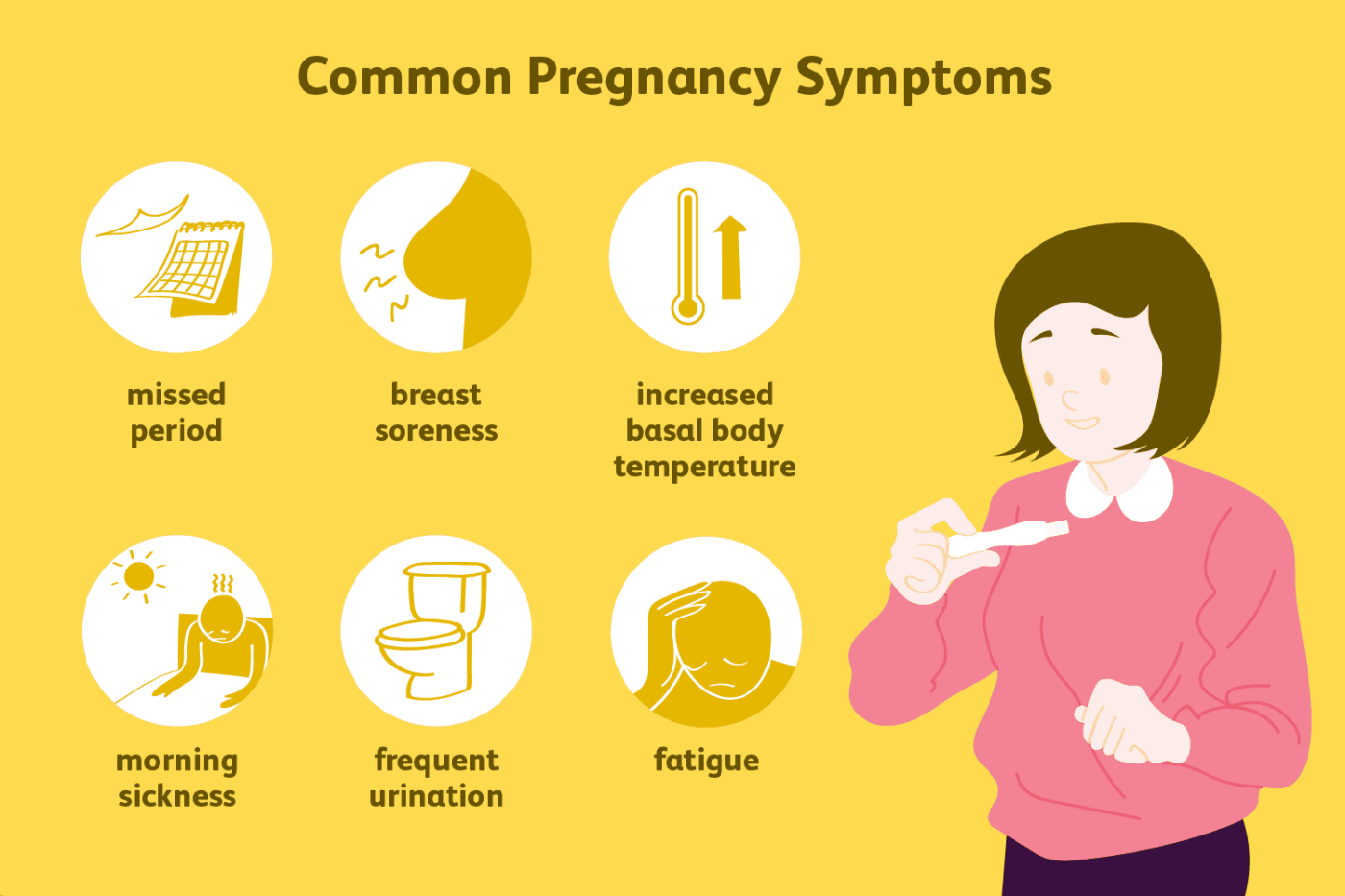
The earliest pregnancy symptoms typically start 1–2 weeks after conception—usually around the time of a missed period, or just before it. While some women notice subtle changes as early as 6–8 days after conception (around the time of implantation), most symptoms become more noticeable and consistent between weeks 4 and 6 of pregnancy as hormone levels rapidly rise.
The Pregnancy Timeline (From Conception)
| Week (from conception) | What’s Happening | Possible Symptoms |
|---|---|---|
| Week 1-2 | Fertilization and implantation | Possible implantation spotting, mild cramps |
| Week 3-4 | Embryo implants; hCG starts rising | Fatigue, breast tenderness, bloating |
| Week 4-5 | Missed period; hCG detectable | Nausea begins, frequent urination |
| Week 6-8 | Embryo growing rapidly | Nausea peaks, food aversions, heightened smell |
| Week 8-12 | First trimester; symptoms peak | Fatigue, nausea, mood changes, increased discharge |
The Earliest Possible Symptoms
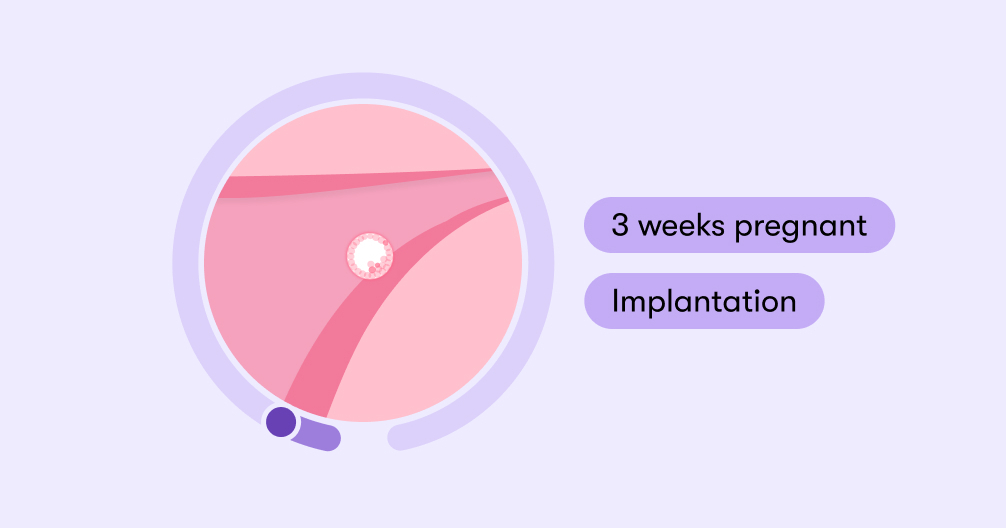
Implantation Bleeding (6-12 Days Post-Conception)
Light pink or brown spotting that lasts 1-3 days – much lighter than a period. Not every woman experiences this, and many confuse it with the start of their period.
Fatigue (Week 3-4)
A sudden, heavy tiredness is one of the earliest signs. Progesterone rises sharply after conception and has a sedating effect.
Breast Tenderness
Soreness or heaviness in the breasts – similar to PMS but often more pronounced – can begin as early as 1-2 weeks after conception.
Bloating
The hormonal surge in early pregnancy slows digestion, causing gas and bloating even before a missed period.
Most Common Early Symptoms by Timing
Around the Time of the Missed Period (Week 4-5)
- Nausea – “morning sickness” can occur at any time of day
- Increased urination – kidneys work harder as blood volume increases
- Food aversions or cravings
- Heightened sense of smell
- Mood swings
- Spotting (implantation bleeding may still be occurring)
Weeks 6-8
This is when most women feel symptoms most strongly. Nausea often peaks between weeks 8-10.
- Breast changes – areolas may darken, veins become more visible
- Extreme fatigue
- Constipation – progesterone slows the bowel
- Headaches – increased blood volume and hormonal changes
- Metallic taste in the mouth – a distinctive early sign many women report
Why Some Women Feel Nothing Early On
No symptoms in early pregnancy is completely normal. hCG levels vary significantly between women and pregnancies. Some have minimal symptoms throughout the first trimester. Absence of symptoms doesn’t indicate a problem.
When to Take a Pregnancy Test
Home pregnancy tests detect hCG (human chorionic gonadotropin), which rises rapidly after implantation. The best time to test:
- At or after a missed period – most reliable
- Early response tests (like FRER): can detect pregnancy 10-12 days after ovulation
Testing before this window may give false negatives even if you are pregnant.
Symptoms That Need Immediate Attention
- Heavy bleeding with cramping (possible miscarriage)
- Severe one-sided pain with spotting (possible ectopic pregnancy)
- Extreme vomiting preventing any fluid intake (hyperemesis gravidarum)
Bottom Line
Pregnancy symptoms can start as early as a week after conception – but most women notice significant changes around the time of a missed period (week 4). Fatigue, breast tenderness, and nausea are the classic early trio. A pregnancy test at or after a missed period gives the most reliable result. Every pregnancy is different, and the absence of symptoms doesn’t mean anything is wrong.







Leave a Comment