

Hip flexor pain is one of the most commonly misidentified musculoskeletal complaints—people often assume it’s a deep hip joint problem, a groin strain, or even abdominal pain. Knowing where is hip flexor pain felt, and what it feels like, is the first step toward treating it correctly and avoiding unnecessary rest for the wrong area.
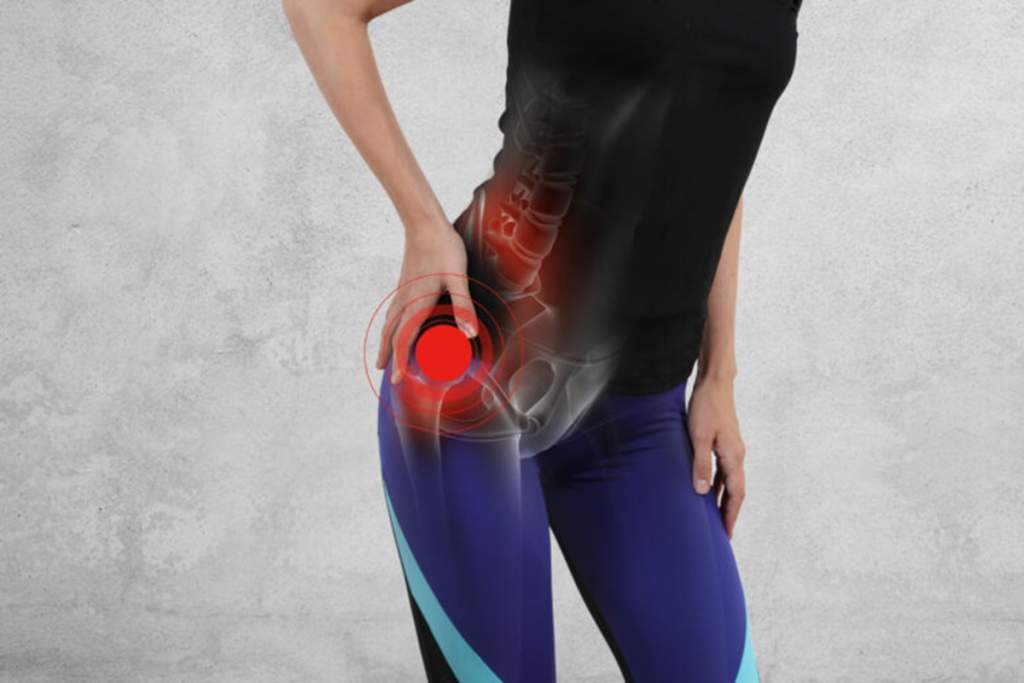
Hip flexor pain is typically felt at the front of the hip and upper thigh, right where your leg meets your torso. It often extends into the groin and sometimes into the lower abdomen. In some cases, it radiates down the front of the thigh toward the knee or creates a deep, “pinched” ache inside the hip socket. The pain is almost always sharp or cramping when lifting the knee toward the chest, climbing stairs, or bending forward at the hip.
What Are the Hip Flexors?
“Hip flexors” is a collective term for a group of muscles that work together to lift the thigh toward the torso. The main ones are:
| Muscle | Location | Role |
|---|---|---|
| Iliopsoas (iliacus + psoas major) | Deep within the lower abdomen and pelvis | Primary hip flexor; raises the thigh |
| Rectus femoris | Front of the thigh (part of the quadriceps) | Helps flex hip and extend knee |
| Sartorius | Diagonal across the front of the thigh | Assists hip flexion and rotation |
| Tensor fasciae latae (TFL) | Outer hip/upper thigh | Assists hip flexion and stabilization |
The iliopsoas is the most commonly injured hip flexor – and the most misunderstood, because it sits so deep that its pain can feel internal.
Exactly Where Is Hip Flexor Pain Felt?
This is the question most people need answered, and the location varies by which muscle is affected:
Iliopsoas Pain
- Deep ache inside the hip socket
- Front of the hip, just below the inguinal ligament (the crease where the abdomen meets the thigh)
- Can radiate into the lower abdomen (easily mistaken for abdominal or pelvic pain)
- Sometimes felt in the lower back (the psoas attaches to the lumbar spine)
- Groin pain that’s hard to pinpoint precisely
Rectus Femoris Pain
- Front of the thigh, below the hip
- Sometimes directly at the hip where the muscle attaches (hip flexor attachment point at the AIIS – anterior inferior iliac spine)
- More localized and easier to pinpoint than iliopsoas pain
TFL and Outer Hip
- Outer hip, just below the iliac crest
- Can radiate down the outside of the thigh (IT band path)
What Hip Flexor Pain Feels Like
The character of the pain helps identify the problem:
| Pain Type | What It Suggests |
|---|---|
| Aching, dull pain at the front of the hip | Tight or strained iliopsoas (common in desk workers) |
| Sharp pain when lifting the knee | Acute muscle strain |
| Deep internal hip ache | Iliopsoas involvement; sometimes bursitis |
| Pain at the start of activity that warms up | Mild tightness, not acute strain |
| Pain that worsens throughout activity | More significant strain or overuse injury |
| Pain at rest and with movement | Inflammation, bursitis, or more serious injury |
What Makes Hip Flexor Pain Worse?
- Lifting the knee against resistance
- Climbing stairs
- Running (especially uphill)
- Sitting for long periods followed by standing up
- Kicking (sports like soccer or martial arts)
- Deep hip flexion (getting up from a low surface)
What Causes Hip Flexor Pain?
Muscle Strain
A sudden, forceful movement – sprinting, kicking, changing direction quickly – can partially or fully tear hip flexor fibers. Athletes in soccer, running, cycling, and martial arts are most at risk.
Chronic Tightness (Most Common in Non-Athletes)
Spending hours in a chair keeps the hip flexors in a shortened, contracted position. Over time, this creates chronic tightness and low-grade pain – especially noticeable when standing after sitting for long periods.
Hip Flexor Tendinopathy
Overuse causes breakdown of the tendon tissue at the hip flexor attachment points. This is an overuse injury common in runners and dancers.
Iliopsoas Bursitis
A bursa is a fluid-filled sac that cushions the muscle against bone. When the iliopsoas bursa becomes inflamed, it causes deep hip pain that can mimic a joint problem.
Hip Snapping Syndrome (Coxa Saltans)
When the iliopsoas tendon snaps over the front of the hip joint with movement, it creates a snapping sensation and sometimes pain. Common in dancers.
Treatment: What Actually Helps
For Acute Strain
- Rest from aggravating activities for 3-5 days
- Ice: 15-20 minutes on the area, 3-4 times daily in the first 48 hours
- Gentle range of motion – don’t stay completely immobile
- Anti-inflammatory medication (ibuprofen) for the first few days if needed
For Chronic Tightness
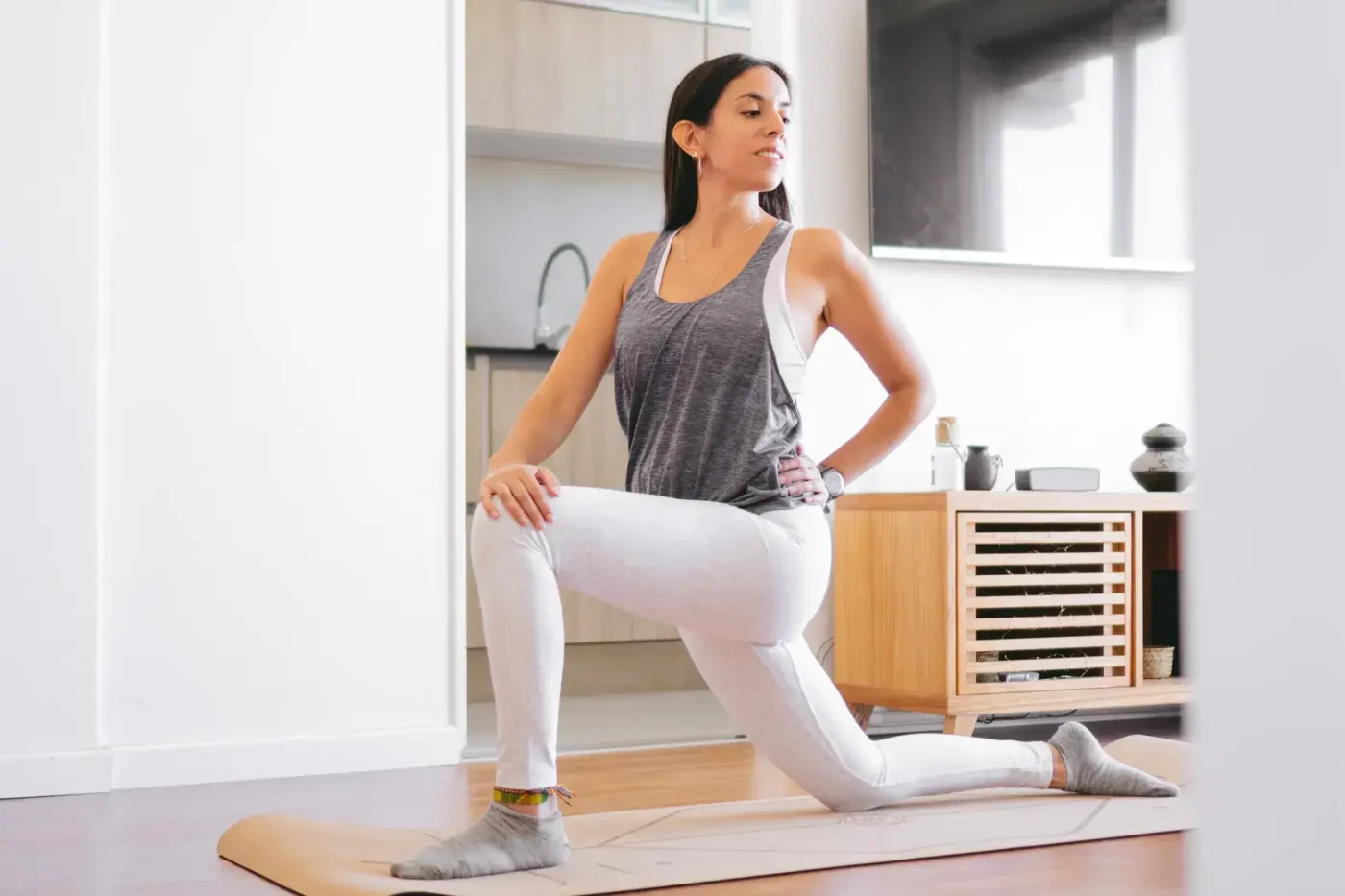
- Hip flexor stretches – particularly the kneeling lunge stretch (couch stretch) held for 60-90 seconds per side
- Strengthening the antagonists – strengthening the glutes and core reduces the demand on hip flexors
- Take standing breaks – if you sit all day, standing and walking every 30-45 minutes prevents adaptive shortening
Key Stretches for Hip Flexor Pain
Kneeling Hip Flexor Stretch:
Drop to one knee, the other foot forward. Push your hips gently forward and hold for 60-90 seconds. You should feel the stretch in the front of the back hip.
Psoas Release:
Lie on your back with a foam roller or lacrosse ball placed just to the side of the spine in the lower back area. Gently apply pressure and breathe.
Standing Hip Circles:
Slow, controlled circles of the hip in both directions help restore joint mobility and reduce tension.
When to See a Doctor or Physical Therapist
Seek help if:
- The pain came on suddenly during activity and was immediately severe
- You heard or felt a “pop” at the moment of injury
- Pain is constant and prevents sleep
- You have swelling in the hip or upper thigh
- Pain doesn’t improve with rest and stretching after 2 weeks
Bottom Line
Hip flexor pain is felt in the front of the hip, groin, and sometimes the lower abdomen or thigh – and it always worsens with movements that lift the knee or flex the hip. For most people, it’s caused by tightness from too much sitting, or a strain from sudden overloading. Consistent stretching, targeted strengthening, and activity modification resolve most cases. If the pain is severe or doesn’t respond, a physical therapist can make a significant difference.







Leave a Comment