
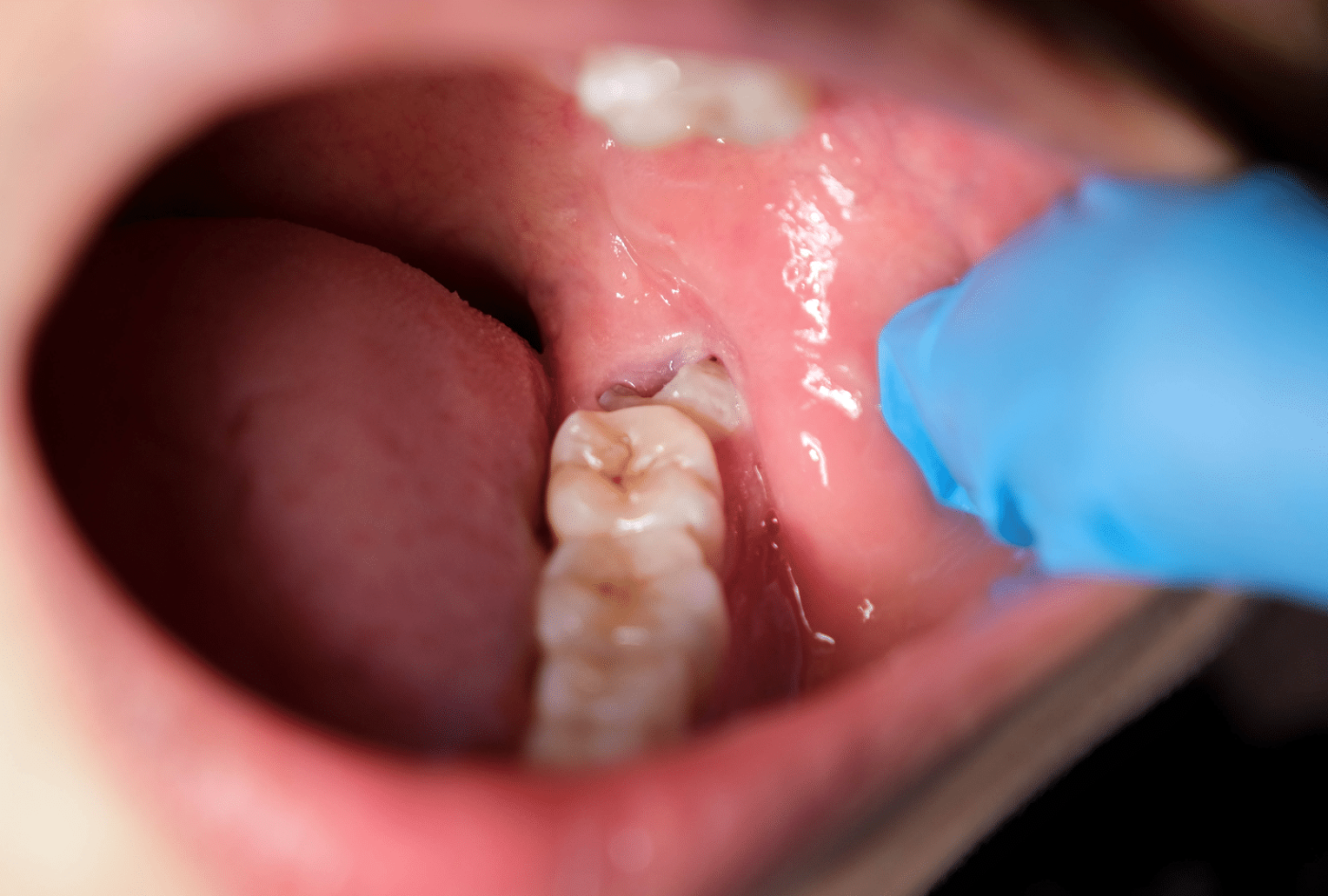

Wisdom teeth removal is one of the most common oral surgeries performed—and one of the most anxiety-inducing, largely because people don’t know what “normal” looks like afterward. Some swelling and discomfort are expected. But how much? For how long? And when should you start worrying? Navigating the wisdom teeth removal aftermath requires a balance of patience and vigilant self-care to ensure the extraction sites heal without complication.
In the aftermath of wisdom teeth removal, expect swelling, pain, and limited mouth opening that peaks around days 2–3 and gradually improves over 7–10 days. Full soft tissue healing takes 2–4 weeks; complete bone healing can take several months, though you won’t feel this.
Day-by-Day Recovery Timeline
| Day | What’s Normal |
|---|---|
| Day 1 | Bleeding, gauze needed, numbness wearing off, increasing pain begins |
| Day 2-3 | Peak swelling and pain, bruising may appear, jaw stiffness |
| Day 4-5 | Swelling starts to reduce, pain decreasing, diet can expand slightly |
| Day 6-7 | Most people return to near-normal activity, soreness remains |
| Week 2 | Soft tissue mostly healed, stitches dissolve if used |
| Week 3-4 | Full soft tissue healing, normal eating resumes |
Managing Swelling
Swelling after wisdom tooth extraction is caused by the inflammatory response – it’s normal and necessary for healing.
First 24 hours:
- Apply an ice pack (wrapped in cloth) to the outside of the cheek for 20 minutes on, 20 minutes off
- Keep your head elevated – even while sleeping (propped on pillows)
- Avoid anything that increases blood flow to the area (hot drinks, exercise, bending over)
Day 2-3 onward:
- Switch from ice to warm compresses after 48 hours – heat helps resolve existing swelling faster than continued ice
Pain Management
Expect moderate to significant pain as the anaesthetic wears off, typically starting 3-4 hours post-surgery.
Standard approach:
- Take prescribed pain medication before the anaesthetic fully wears off – don’t wait until you’re in severe pain
- Ibuprofen (anti-inflammatory) + paracetamol/acetaminophen together are often more effective than opioids for dental pain – take alternately every 3-4 hours as directed
- Continue for the first 48-72 hours even if pain seems manageable
What and How to Eat
This is where most recovery discomfort occurs. Protecting the blood clot in the socket is the priority.
Days 1-3 (liquid/very soft only):
- Cold smoothies, yogurt, applesauce, ice cream, mashed potato, broth
- Nothing hot – heat dissolves blood clots
- No straws – suction dislodges clots
Days 4-7:
- Scrambled eggs, soft pasta, soft fish, oatmeal
- Chew on the opposite side
Week 2+:
- Gradually reintroduce normal foods
- Avoid hard, crunchy, or sharp foods (chips, nuts) until fully healed
The Blood Clot – Why It Matters
The blood clot that forms in the empty tooth socket is the foundation of healing. Protecting it is the most important thing you can do in the first 72 hours.
Avoid:
- Straws (suction)
- Spitting forcefully
- Smoking (both suction and chemicals impair clotting)
- Vigorous rinsing
- Touching the socket with tongue or fingers
Dry Socket – The Complication to Watch For

Dry socket (alveolar osteitis) occurs when the blood clot is dislodged or dissolves prematurely, exposing the underlying bone. It affects roughly 2-5% of extractions but up to 30% of lower wisdom tooth removals.
Symptoms:
- Severe, throbbing pain that begins 2-4 days after surgery (after initial improvement)
- Pain radiating to the ear or jaw
- Empty-looking socket with visible bone
- Bad taste or smell
If you suspect dry socket, return to your dentist or oral surgeon. Treatment involves cleaning and packing the socket with a medicated dressing – relief is usually rapid.
Risk factors: Smoking, birth control pills, poor clot formation, aggressive rinsing.
When to Call Your Surgeon Immediately
| Symptom | What It May Indicate |
|---|---|
| Fever above 101°F (38.3°C) | Infection |
| Worsening pain after day 3 | Dry socket or infection |
| Swelling that is increasing after day 3 | Infection or abscess |
| Difficulty breathing or swallowing | Spreading infection – ER immediately |
| Numbness lasting more than 24 hours | Nerve injury |
| Excessive bleeding that won’t stop | Clotting problem |
Oral Hygiene After Surgery
- Do NOT brush near the extraction site for the first 24 hours
- After 24 hours, gently brush all other teeth; rinse very gently
- After 48 hours, begin warm salt water rinses (1/2 teaspoon salt in a glass of warm water) after meals – do not swish forcefully; tip head side to side gently
- Continue salt water rinses for the first week
Bottom Line
The aftermath of wisdom teeth removal is manageable when you know what to expect. Swelling peaks at days 2-3 and then steadily improves. Protecting the blood clot in the first 72 hours is the single most important recovery priority. Pain that worsens after initially improving – especially starting days 3-4 – is the main signal that something needs attention. Most people feel significantly better within a week and fully healed within a month.






Leave a Comment