
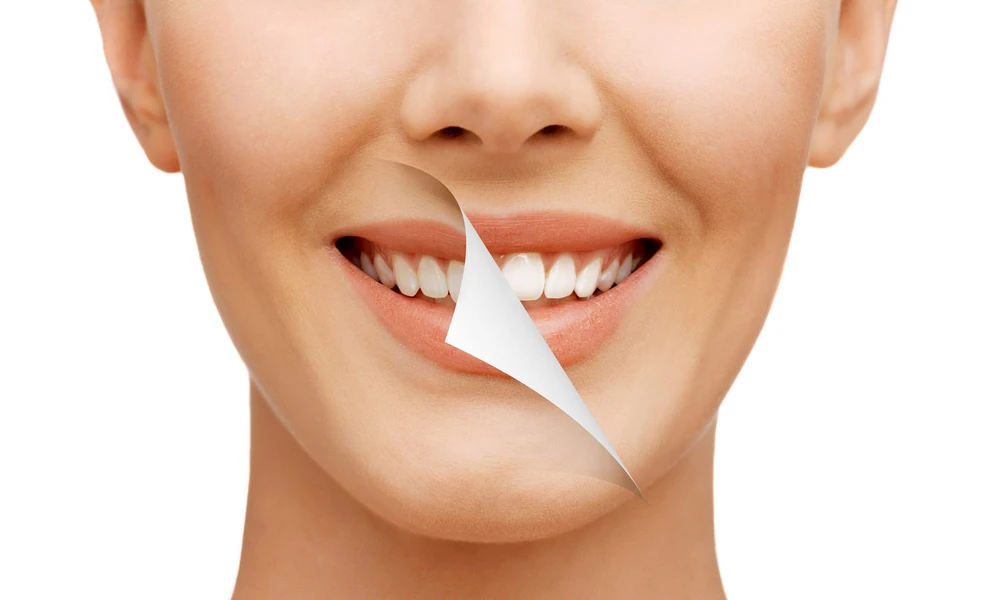

You might already know the feeling. You catch your reflection, or you see a photo someone took without warning, and your eyes go straight to your teeth. Maybe it is a chip, uneven spacing, worn edges, or a smile that just does not feel like you anymore. That kind of self awareness can wear on you over time, because smiling is supposed to feel natural, not calculated. And when you start thinking about cosmetic dental work, it can feel hard to know what actually matters and what is just marketing language, especially when looking for a dentist in Lutz, FL.
That is where smile design makes a difference. It is not only about making teeth look whiter or straighter. It is the planning process that helps cosmetic changes fit your face, your bite, and your long term oral health. In simple terms, smile design in cosmetic dentistry matters because it connects appearance with function, so your results can feel natural, balanced, and easier to maintain.
Why can a better looking smile still feel “off” without proper smile design?
A smile can look good in theory and still feel wrong in real life. That is often the problem when treatment focuses on one feature at a time, such as whitening, bonding, or veneers, without looking at the full picture. Teeth do not exist on their own. They work with your lips, gums, jaw movement, facial shape, and bite. If one part is changed without planning for the rest, the final result may look too bulky, too flat, too bright, or simply unlike you.
Because of this tension, you might wonder why planning matters so much. The answer is simple. Good smile design helps your dentist study tooth shape, size, proportion, gum display, and how your teeth come together when you speak and chew. That extra thought can help prevent results that look artificial or create new issues, such as uneven wear or discomfort.
This is one reason general dental care still matters even when your goal is cosmetic. According to MedlinePlus dental health information, healthy teeth and gums are the base for any dental treatment. If decay, gum disease, or bite problems are ignored, cosmetic improvements may not last the way you hoped.
How does smile design support both appearance and oral health?
It is easy to think of cosmetic dentistry as separate from health, but the two are closely linked. A thoughtful smile plan can improve symmetry and confidence, while also helping with comfort, speech, and cleaning. If teeth are crowded, worn down, or uneven, the issue is often more than visual. It may affect how plaque collects, how pressure is distributed when you bite, or how likely a tooth is to chip again.
So, where does that leave you? It means the goal is not just a “pretty smile.” The goal is a smile that suits your features and works well day to day. The National Institute of Dental and Craniofacial Research explains in its guidance on oral hygiene that daily care and prevention are key to keeping teeth and gums healthy. Smile design supports that idea by creating results that are easier to maintain, not harder.
Research also points to the value of planning and personalization in esthetic treatment. A review available through PubMed Central discusses how digital tools and facial analysis can help improve diagnosis, communication, and treatment planning in smile esthetics. In real life, that can mean fewer surprises and a clearer sense of what your finished smile may actually look like.
What is the difference between isolated cosmetic work and a full smile design approach?
Sometimes a single treatment is enough. A small chip may only need bonding. Mild staining may respond well to whitening. But if you have several concerns at once, isolated treatment can become patchwork. One tooth gets fixed, then another starts to stand out, and before long the smile still feels unfinished.
| Approach | Main Focus | Potential Benefit | Possible Limitation |
|---|---|---|---|
| Single cosmetic fix | One issue, such as color or a chip | Lower cost upfront and faster treatment | May not match the rest of the smile or address bite and proportion |
| smile makeover planning | Whole smile, facial balance, and function | More natural, coordinated, and lasting result | Requires more planning and may involve multiple steps |
| General dentist evaluation | Health of teeth, gums, and bite before cosmetic work | Helps catch issues that could affect long term success | May reveal treatment needs before cosmetic work can begin |
This is why cosmetic smile planning is such an important part of modern cosmetic care. It gives structure to your choices. Instead of reacting to each flaw one by one, you and your dentist can look at the smile as a whole and decide what change will have the best effect.
What can you do right now if you are thinking about cosmetic dentistry?
1. Start with health before appearance.
Schedule a full dental exam and ask about gum health, old fillings, wear patterns, and bite alignment. If you skip this step, cosmetic work may end up sitting on a weak base. Even simple treatment tends to go better when your teeth and gums are stable first.
2. Ask to see the plan, not just the procedure.
Do not stop at “What treatment do I need?” Ask, “How will this fit my full smile?” A good plan should explain tooth shape, shade, proportion, and how the work will function over time. If digital previews, wax ups, or photos are available, they can help you feel more certain before treatment begins.
3. Think beyond the first result.
Ask how the work will age, what maintenance it may need, and how to protect it. Whitening may need touch ups. Bonding can stain or chip. Veneers may last for years, but they still need good home care and regular checkups. The best general dentist guidance usually includes both the “after” and the upkeep.
Why does smile design often lead to more confidence with fewer regrets?
When people feel disappointed with cosmetic dental work, it is often not because the teeth look bad in a technical sense. It is because the results do not feel personal, balanced, or worth the time and cost. Smile design helps lower that risk by slowing the process down just enough to make better decisions. It respects the fact that your smile is part of your identity, not just another surface to improve.
If you have been unsure about taking the next step, that hesitation makes sense. Cosmetic treatment is personal, and you want to feel confident that any change will still look like you. With the right planning, that goal is much more realistic. A thoughtful smile is rarely accidental. It is designed with care, with health in mind, and with a clear picture of what matters most to you.
If you are considering cosmetic dentistry, start by asking for a full evaluation and a personalized smile design plan. That first conversation can give you clarity, protect your oral health, and help you move forward with more peace of mind.







Leave a Comment