
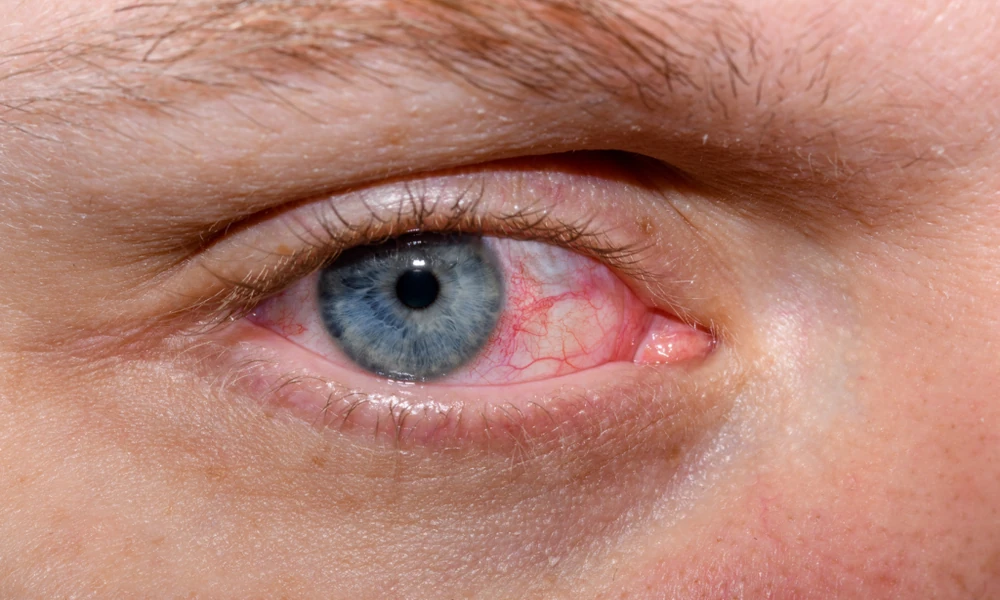

You might be feeling worn down by it already. Your eyes burn by the end of the day, screens feel harder to tolerate, and something as simple as reading, driving, or being outside in the wind can leave you blinking for relief. Dry eye can seem minor from the outside, yet when it keeps showing up morning after morning, it can affect your focus, your comfort, and your mood. The good news is that an Eye doctor in McLean can do more than suggest random drops. With the right exam, the cause of your symptoms can be identified, and treatment can be tailored to what your eyes actually need.
That matters, because dry eye syndrome is not one single problem. For some people, the eyes do not make enough tears. For others, tears evaporate too fast because the oil glands along the eyelids are not working well. Some people deal with both at once. If you have been trying over the counter products without much change, that does not mean you are out of options. It often means your treatment has not matched the cause yet.
Why does dry eye keep coming back even when you use drops?
This is where many people get stuck. You use artificial tears, feel better for an hour or two, and then the dryness returns. Because of this cycle, you might wonder if anything will truly help. The answer is yes, but the approach has to go deeper than short term relief.
An eye doctor usually starts with a full history and eye exam. They may ask when symptoms are worst, whether you wear contacts, how much time you spend on screens, and whether you take medications that can worsen dryness. Certain antihistamines, antidepressants, acne treatments, and blood pressure medicines can reduce tear production. Health conditions such as autoimmune disease, eyelid inflammation, or hormone changes can also play a part.
During the exam, the doctor may look at your tear film, check the surface of your eyes for irritation, and examine the meibomian glands in your eyelids. These glands release oil that keeps tears from evaporating too quickly. When they get blocked, your tears may not protect your eyes the way they should. According to the National Eye Institute’s dry eye overview, dry eye can lead to pain, blurry vision, and damage to the front surface of the eye if it is not managed well.
So, where does that leave you? It means effective care often involves treating the source of the problem, not just the symptom of dryness.
How do eye doctors treat dry eye disease based on the cause?
Treatment for dry eye disease treatment often begins with the basics, but it does not end there. If your eyes are dry from poor tear quality, your doctor may recommend warm compresses, lid cleansing, and specific lubricating drops that support the tear film. If inflammation is part of the picture, prescription eye drops may help calm the surface of the eye so tears can work better.
For some people, preservative free artificial tears are a better fit than standard drops, especially when they need frequent use. If eyelid inflammation is present, treatment may include cleaning the lid margins more carefully or managing blepharitis. If tears drain away too fast, punctal plugs may be used to help keep moisture on the eye longer.
There are also times when lifestyle shifts matter more than people expect. A person who blinks less while working at a computer may improve with simple changes like screen breaks, better humidity, and adjusting airflow from fans or vents. Another person may need a conversation about contact lens wear, makeup around the lash line, or medications that contribute to symptoms. The point is that an eye doctor for dry eyes is looking at the full picture, not only the surface complaint.
If you want a plain language overview of symptoms, causes, and treatment options, the MedlinePlus guide to dry eye syndrome is a helpful place to start.
What is the difference between home care and professional dry eye treatment?
Home care has a place, especially for mild symptoms, but it has limits. If your eyes are red, painful, sensitive to light, or your vision keeps fluctuating, guessing can delay real relief. A simple comparison can make that clearer.
| Approach | What It Can Help | Limits |
|---|---|---|
| Artificial tears from the store | Short term moisture, mild dryness, occasional irritation | May not treat inflammation, gland blockage, or poor tear quality |
| Warm compresses and lid hygiene | Blocked oil glands, crusting, mild eyelid irritation | Needs steady use and may not be enough for moderate or severe cases |
| Professional evaluation by an eye doctor | Identifies the cause, guides targeted treatment, checks for damage | Requires an exam and follow up, but often saves time and trial and error |
| Prescription or in office treatment | Inflammation, persistent symptoms, tear drainage issues, gland dysfunction | Best chosen after diagnosis, not all options fit every patient |
This is often the turning point. Many people think they have “just dry eyes,” when they may actually have a mix of inflammation, eyelid disease, and tear instability. Once those pieces are identified, dry eye treatment becomes much more precise.
What can you do right now if your eyes feel dry every day?
1. Track your triggers. Notice when your symptoms flare. Is it after hours on a laptop, first thing in the morning, or outside in wind or air conditioning? Bring that pattern to your appointment. It helps the doctor narrow down what is driving the problem.
2. Use eye drops carefully. Not all drops are meant for dry eye. Redness reliever drops can sometimes make irritation worse with repeated use. Lubricating tears, especially preservative free options, are often a better starting point if you need them often.
3. Book an exam if symptoms keep returning. If dryness is frequent, painful, or affecting your vision, it is time to see an eye doctor. Ongoing symptoms deserve more than guesswork, especially when untreated dry eye can irritate the eye surface over time.
When should you stop waiting and get help?
If you have tried basic care and still feel stuck, that is reason enough. You do not need to wait until the discomfort becomes severe. Dry eye can be frustrating because it comes and goes, which makes it easy to minimize. Yet when your eyes are constantly fighting for comfort, daily life gets harder than it needs to be.
The right treatment plan can bring real relief, and it often starts with understanding why your eyes are dry in the first place. An eye doctor can help sort through the cause, explain your options in plain language, and build a plan that fits your symptoms and your routine. If dry, burning, tired eyes have become your normal, now is a good time to schedule an appointment and get answers.









Leave a Comment