
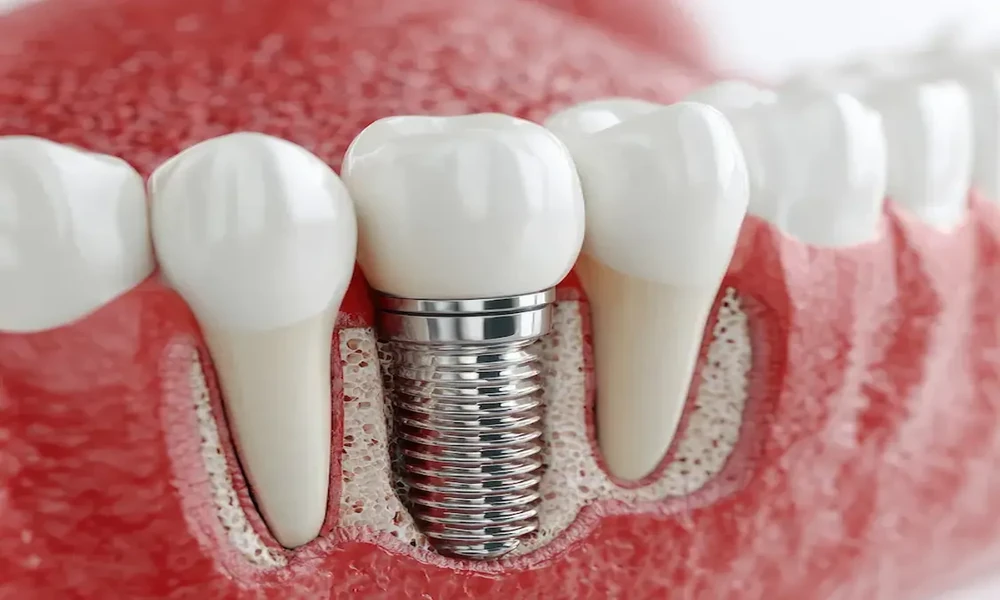

You might be feeling pulled in two directions right now. On one side, you want a missing tooth replaced so you can eat, speak, and smile without thinking about it. On the other, you do not want to go through surgery only to realize later that the tooth looks slightly off, the gum line feels uneven, or the final result does not blend with the rest of your smile. That tension is real, and it is exactly why a Boston cosmetic dentist should begin cosmetic planning before dental implant surgery.
The short version is simple. An implant is not just a screw placed in bone. It is part of a full smile, and the shape of your gums, the position of nearby teeth, your bite, and even the way your lips frame your smile all matter. When planning starts early, your implant and cosmetic dentist can make choices that support both function and appearance, which often means fewer surprises and a result that feels more natural.
Why does cosmetic planning matter before the implant is even placed?
It is easy to assume the cosmetic part comes at the end, once the crown is made. But by then, some key decisions have already been locked in. The angle, depth, and position of the implant help determine how the final tooth will look. If placement is slightly off, the crown may need to be shaped in a way that looks bulky or unnatural. In front teeth, even a small mismatch can stand out.
Because of this, pre implant cosmetic planning is not about vanity. It is about protecting the outcome before the surgical step begins. Your dentist may study your smile line, gum levels, tooth proportions, and bite. In some cases, digital scans, photos, or wax ups are used to preview the final look first, then guide surgery around that goal.
So, where does that leave you if you are focused mainly on replacing a missing tooth? It means the best plan usually starts with the end in mind. The question is not only, “Can an implant go here?” It is also, “What should this look like when everything is finished?”
What can go wrong when dental implant aesthetics are treated as an afterthought?
When appearance is considered too late, the result may still be functional, but function alone does not always feel satisfying. You may notice a crown that seems too long, a dark space near the gum, or a smile that no longer looks balanced. These issues can be harder, and more costly, to correct after surgery.
Think about a front tooth implant. If the surrounding gum tissue is thin or if bone has already shrunk after tooth loss, the final tooth may not match the one beside it unless those concerns are addressed early. That could mean bone grafting, soft tissue support, or careful timing before implant placement. Without that planning, you might end up needing extra procedures later.
There is also the emotional side. Many people assume an implant automatically looks like a natural tooth. Often it can, but that result depends on planning. If your expectations are not discussed upfront, disappointment can creep in even when the implant itself is stable. Trusted sources like the FDA’s overview of dental implants explain that implants involve both benefits and risks, and careful case evaluation matters.
How does an implant and cosmetic dentist plan for both health and appearance?
An implant and cosmetic dentist looks at more than the empty space. Bone quality, gum shape, bite pressure, facial symmetry, and the color and contour of nearby teeth all come into play. This is especially important if you grind your teeth, have gum disease, or have been missing the tooth for a long time.
In many cases, planning also includes the sequence of treatment. You may need whitening before the final crown is matched. You may need orthodontic movement if adjacent teeth have drifted. You may even need a temporary restoration designed to shape the gums before the permanent crown is made. Harvard School of Dental Medicine notes in its dental implants resource that implants require thoughtful assessment of the mouth as a whole, not just the site itself.
This is why cosmetic planning before implant surgery tends to save frustration. It aligns the surgical phase with the visual goal, instead of trying to fix visual issues after the foundation has already been set.
What should you compare before moving forward with a cosmetic dental implant plan?
It helps to see the difference between early planning and delayed planning side by side. That way, you can ask better questions and understand what is really being decided before surgery.
| Planning Approach | What Happens | Possible Benefit | Possible Risk |
|---|---|---|---|
| Cosmetic planning before surgery | Smile design, imaging, gum and bite review, surgical placement guided by final tooth position | Better chance of a natural looking result and fewer mid course changes | May involve more upfront appointments or added planning costs |
| Cosmetic planning after implant placement | Focus starts with placing the implant, appearance decisions come later | Can feel faster at the beginning | Limited flexibility if implant position does not support the ideal final crown |
| Single tooth replacement with thin gums or bone loss | May require grafting or tissue shaping as part of the plan | Improves support for dental implant aesthetics | If skipped, the final tooth may look longer or uneven at the gum line |
What can you do right now to protect your outcome?
Ask to see the end goal first. Before surgery is scheduled, ask how the final tooth will be designed and how implant placement will support that result. Photos, scans, or mock ups can make the plan easier to understand.
Talk about gums, bone, and bite. Do not focus only on the implant itself. Ask whether bone loss, gum thickness, or grinding could affect the look of the final tooth. These details often shape the cosmetic result as much as the crown does.
Get clear on timing and sequence. If whitening, grafting, or temporary shaping is recommended, ask why it should happen before the final crown. Knowing the order of treatment can help you avoid rushed decisions and set realistic expectations.
Is it worth slowing down now for a better long term result?
For most people, yes. When a tooth is missing, it is natural to want the process over with as soon as possible. But a little more planning at the start can spare you from regret later. The goal is not just to place an implant. The goal is to restore a smile that feels stable, comfortable, and like your own.
If you are considering treatment, ask your provider how cosmetic planning fits into your case before surgery begins. That one conversation can change the quality of the result, and just as important, your confidence in it.





Leave a Comment