
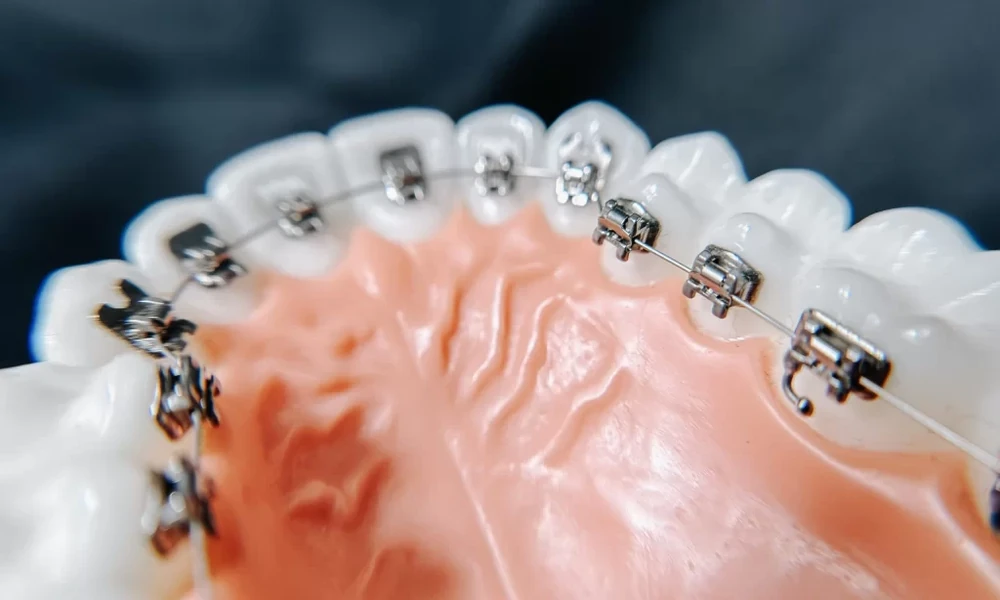

You might be putting off a visit to an orthodontist in Chicago, IL because the stories you have heard feel bigger than the facts. Maybe you have been told braces are only for teens, or that treatment will take over your life, hurt the whole time, and leave oral care feeling impossible. When you hear enough of those messages, it makes sense to feel unsure.
But the truth is usually much calmer than the myths. Most orthodontic treatment is more flexible, more comfortable, and more personalized than people expect. If you want the short version, here it is. Braces and clear aligners are not just for kids, treatment does not always take years, discomfort is usually manageable, good hygiene is still possible, and seeing an orthodontist is often worth it because proper alignment can support both comfort and oral health.
Are Braces Only for Teenagers, or Can Adults Benefit Too?
One of the most common myths about braces is that there is a narrow window for treatment, and once you are past it, you missed your chance. That belief keeps many adults from even asking questions. You may look in the mirror, notice crowding or shifting teeth, and think, “Is it too late for me?”
It usually is not. Adults often get orthodontic care for crooked teeth, bite issues, spacing, or relapse after not wearing a retainer years ago. Teeth can move at many ages, which means treatment can still help improve function and appearance later in life. If you want a clear overview of options, the UCSF Dental Center explains how braces and Invisalign can address different alignment needs.
So where does that leave you if you are not a teenager anymore? In a much better place than the myth suggests. Adult treatment may require a plan tailored to gum health, bone support, and existing dental work, but it is still very common. That is why orthodontic treatment myths can be so frustrating. They make people feel disqualified before they even get real information.
Does Orthodontic Treatment Always Hurt and Take Forever?
This is another fear that tends to grow in people’s minds. If you expect constant pain and years of inconvenience, of course you may delay care. The reality is more balanced. There can be soreness, especially after adjustments or when switching aligner trays, but soreness is not the same as nonstop pain.
Most people describe pressure and tenderness that fades after a few days. Treatment length also depends on your bite, crowding, age, and how closely you follow instructions. Some cases are shorter than people expect, while more complex cases take longer. There is no honest one size fits all answer, which is exactly why myths are so misleading.
What if your concern is daily life? Many people continue school, work, sports, and social events without major disruption. It may take a little time to adjust, but treatment usually becomes part of your routine much faster than you think.
Will Braces Ruin Oral Hygiene and Damage Teeth?
This myth has a grain of truth, which is why it spreads so easily. Braces do create more places for food and plaque to hide. But that does not mean braces ruin teeth. Poor cleaning causes problems, not the orthodontic appliance itself.
With the right habits, you can protect your teeth and gums during care. That includes brushing carefully around brackets or aligners, flossing daily, and keeping up with dental visits. The National Institute of Dental and Craniofacial Research offers practical guidance on oral hygiene and daily care, which becomes even more helpful during orthodontic treatment.
If anything, untreated crowding can make cleaning harder in the long run. Teeth that overlap or sit in tight spaces may trap plaque more easily. In that sense, treatment can support healthier habits later on. Common myths about braces often leave out that part.
Is DIY Teeth Straightening a Safe Shortcut?
When cost and convenience are on your mind, quick fixes can sound tempting. You may see mail order promises or social posts that make tooth movement look simple. But moving teeth is not just cosmetic. It affects roots, bone, gums, and your bite. Without proper exams and monitoring, there is a risk of shifting teeth in ways that create bigger problems.
An orthodontist looks at more than what is visible in a selfie. X rays, bite patterns, jaw position, and gum condition all matter. That level of evaluation is one reason professional care is different from guesswork.
| Option | What It May Offer | Main Limits or Risks |
|---|---|---|
| DIY or mail order straightening | Lower upfront cost, home convenience | Limited supervision, may miss bite issues, gum concerns, or root problems |
| Professional orthodontic care | Custom treatment plan, ongoing monitoring, adjustments based on progress | Higher cost in some cases, office visits required |
| No treatment | No immediate expense or schedule changes | Crowding, wear, bite strain, and cleaning challenges may continue or worsen |
That comparison matters because orthodontics is not only about straighter teeth. It is also about how your teeth meet, how you clean them, and how your bite functions over time.
What Can You Do Right Now if You Are Sorting Through Orthodontic Myths?
1. Write down what worries you most.
Is it pain, cost, appearance, treatment length, or fear of being told you waited too long? When you name the concern, it becomes easier to ask focused questions and get useful answers.
2. Ask for a real evaluation, not a guess.
A proper consult can tell you whether you need braces, aligners, or no treatment at all. That kind of clarity is hard to get from online opinions. If you have heard mixed messages about orthodontic care, a personalized exam is often the turning point.
3. Protect your oral health now.
Even before treatment starts, brush well, floss daily, and keep regular dental cleanings. Good habits now can make any future treatment smoother and help you avoid preventable problems.
What Is the Takeaway on These Orthodontic Myths?
If you have been feeling hesitant, that hesitation is understandable. A lot of people delay care because the myths sound convincing, and because teeth are personal. They affect how you eat, speak, smile, and feel when someone takes your picture. But once those myths are stripped away, the next step often feels much less heavy.
The main thing to remember is simple. Orthodontic treatment is not just for teens, it is not always painful, it does not automatically harm your teeth, and it should not be treated like a DIY project. When you get facts instead of fear, your choices become clearer, and that is often the moment people finally feel relief.
If you have questions about braces, aligners, or whether an orthodontist is right for you, now is a good time to schedule a consultation and get answers that fit your situation.








Leave a Comment