


You book a dental visit because you want to stay ahead of problems, then the appointment moves fast and you leave thinking of three things you forgot to ask. That happens all the time. Preventive care sounds simple, but once terms like fluoride, sealants, X rays, gum checks, and cleanings start coming at you, it gets harder to tell what your family actually needs and what can wait. A Vancouver dentist can help explain those options clearly.
The good news is that a few clear questions can make those visits far more useful. If you want better preventive dental services, you do not need a crash course in dentistry. You need to know how often exams make sense, which treatments lower risk, what fits your child or your own history, and what warning signs deserve attention before they turn into pain and bigger bills.
Preventive family dental care works best when it is specific to your risk
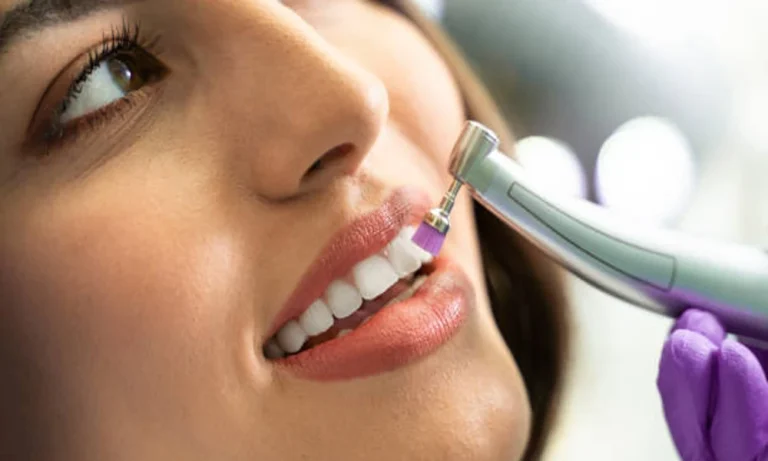
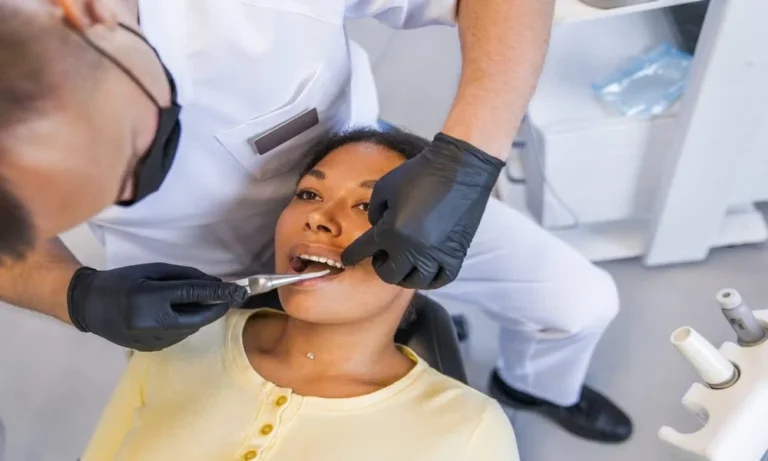
A routine visit is not just a quick polish. A proper dental exam checks for cavities, gum disease, bite issues, plaque buildup, and changes in the soft tissues of the mouth. That sounds basic, but the real value comes from asking how those findings connect to your daily life. If you grind your teeth, sip sports drinks all day, breathe through your mouth at night, or have a child with deep grooves in the back teeth, your prevention plan should look different from someone else’s.
That is the first question to ask your family dentist. What is my personal risk for cavities and gum disease, and what should we do about it? A vague answer is not enough. You want to hear what they see, why it matters, and which habits or treatments would change that risk. If you have had fillings every year, “keep brushing” is not a full strategy. If your child has never had a cavity, the plan may be simpler.
This matters because untreated early problems rarely stay small. A spot of decay can become a filling, then a crown, then a root canal. Mild gum inflammation can turn into bleeding, bad breath, gum recession, and bone loss. Prevention costs less because it catches trouble while the fix is still small.
Fluoride and sealants protect teeth in different ways
The second question is which preventive treatments actually make sense for me or my child? Two of the most common are fluoride and sealants, and they do different jobs.
Fluoride helps strengthen enamel and can lower the risk of tooth decay. It is often useful for children, but adults can benefit too, especially if they have dry mouth, a history of cavities, braces, exposed roots, or a lot of dental work. If you have ever wondered why you keep getting decay despite brushing, fluoride is worth discussing in plain terms.
Dental sealants are thin protective coatings placed on the chewing surfaces of back teeth, where food and bacteria tend to settle into grooves. They are common for children and teens, though some adults can benefit as well. If your child brushes well but still struggles to clean molars thoroughly, sealants may offer extra protection where a toothbrush misses.
This is where a lot of families get stuck. You hear about these services, but you are not sure whether they are standard, optional, or pushed just because they are available. Ask your dentist to explain the reason behind each recommendation. If the answer ties clearly to cavity history, age, anatomy, dry mouth, orthodontics, or gum health, you are getting useful guidance instead of a generic list.
Timing and frequency shape the value of preventive dentistry
The third question is how often should we come in for exams and cleanings? Many people assume every six months is a rule for everyone. It is a common schedule, but not the only one. Some patients need more frequent care because of gum disease, heavy tartar buildup, smoking, diabetes, pregnancy, or repeated cavities. Others may not need the same level of monitoring.
If you skip this question, it is easy to drift into one of two expensive patterns. Some people come in less often than they should and end up dealing with avoidable treatment. Others show up regularly but never hear whether their schedule still fits their current needs. A smart family dentist should be able to explain why your timing is what it is.
This also applies to X rays. Ask when they are needed and what the dentist is looking for. Cavities between teeth, bone loss, infections, and changes under the surface are not always visible during a visual exam. When imaging is recommended, the reason should be clear.
Clear answers help you compare preventive options
The fourth question is what can we do at home between visits that will make the biggest difference? This is where a lot of prevention is won or lost. Brushing twice a day matters, but technique, toothpaste choice, flossing, diet, and timing matter too. A child who snacks often on sticky foods has a different risk profile than one who mainly eats at mealtimes. An adult with dry mouth from medication may need a more targeted plan than “brush and floss more.”
| Preventive service | What it helps with | Who may benefit most | What to ask your dentist |
|---|---|---|---|
| Routine exam and cleaning | Early detection of decay, gum issues, tartar buildup | Nearly everyone | How often should I come in based on my risk? |
| Fluoride treatment | Strengthens enamel, lowers cavity risk | Children, adults with dry mouth, frequent cavities, braces | Do my teeth show signs that fluoride would help? |
| Dental sealants | Protects deep grooves in back teeth from decay | Children, teens, some adults with cavity prone molars | Are the molars good candidates for sealants? |
| X rays | Finds hidden decay, bone loss, infections | Patients based on age, history, symptoms, risk | What are you checking for today? |
If you are looking for a better way to approach questions for a family dentist, this is it. You do not need to memorize dental terms. You need direct answers tied to your health, your child’s habits, and your actual risk.
Three steps make your next family dentist visit more useful
Write down changes before the appointment. List tooth sensitivity, bleeding gums, dry mouth, jaw pain, bad breath, new medications, and any recent cavities. Small details help your dentist connect patterns instead of reacting to one symptom at a time.
Ask for a prevention plan, not just a treatment list. If something is recommended, ask why, how soon it matters, and what problem it is meant to prevent. This is the easiest way to separate routine care from care tailored to you.
Leave with one home care priority. Trying to fix everything at once usually fades by next week. Ask for the single change that would have the biggest effect right now, whether that is flossing nightly, using fluoride toothpaste properly, cutting down on constant snacking, or adding a rinse for dry mouth.
Family dental care is at its best when it feels clear, practical, and personal. You should understand what your dentist sees, what your options are, and what steps lower the chance of bigger problems later. The next time you go in, bring these four questions with you and expect real answers. That one habit can turn a routine visit into care that actually protects your family’s health.







Leave a Comment