
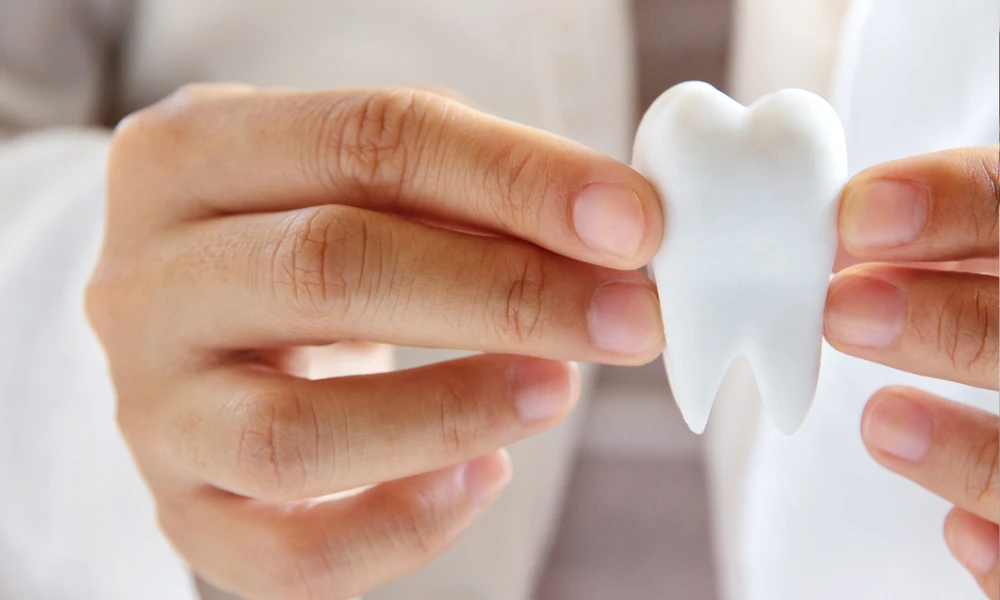

Losing a tooth changes more than your smile. Meals can feel awkward, words may come out differently, and you might catch yourself covering your mouth when you laugh. If more than one tooth is missing, the strain builds fast. Chewing gets harder, certain foods disappear from your plate, and the rest of your teeth start doing extra work they were never meant to do. That is where long term care matters, including options like tooth implants in Perrysburg, OH. How Family Dentistry Supports Long Term Care After Tooth Loss comes down to one simple idea. You need steady care, not a one time fix.
A family dentist helps you protect the teeth and gums you still have, watch for changes in your bite, and guide you toward options that fit your health, budget, and daily life. That support matters whether you have just lost one tooth or have been living with missing teeth for years.
Tooth Loss Affects Your Health in Ways That Build Over Time
Many people try to adapt and move on. They chew on one side, skip tougher foods, or tell themselves they will deal with it later. That works for a while, until it does not. The gap left by a missing tooth can let nearby teeth shift. Your bite can change slowly, then all at once you notice jaw soreness, worn enamel, or food getting trapped in places it never used to.
The health side is just as real. The CDC explains how tooth loss is tied to oral health, chronic disease, and quality of life. Missing teeth can make it harder to eat a balanced diet, which matters even more as you age. MedlinePlus also outlines common causes of tooth loss and the need for treatment, including gum disease, decay, injury, and other conditions that do not stop affecting your mouth after the tooth is gone.
You may also be carrying a quiet emotional load. Some people avoid photos. Others stop ordering the foods they enjoy when they are out with family. A gap in your smile can feel small to someone else and very big to you. That gap between how you feel and how you function is one reason long term dental care after missing teeth needs to be personal.
Family Dentistry Creates Ongoing Support After Tooth Loss
A family dentist is not only there to replace a missing tooth. The bigger role is managing what happens next. That includes checking the health of your gums, tracking bone changes, cleaning hard to reach areas, and making sure a bridge, denture, or implant stays comfortable and useful over time.
This kind of care works well because your dentist often knows your history. If you grind your teeth, have diabetes, take medicines that cause dry mouth, or have had gum problems before, those details shape your care plan. A replacement option that looks fine on paper may not hold up well if the surrounding teeth are weak or your gums are inflamed. A family dentist sees the full picture.
That steady relationship also helps when life changes. You might start with a partial denture because it fits your budget, then later move to another option. You might lose a tooth after an injury and need close follow up to protect nearby teeth. You might be caring for an older parent whose oral health has become harder to manage. The Office of Disease Prevention and Health Promotion shares practical oral health tips for older adults, and regular dental visits are part of keeping small problems from becoming painful and expensive ones.
Long Term Tooth Loss Care Works Best When Options Are Compared Clearly
People often get stuck because every option sounds permanent, expensive, or hard to maintain. The better question is not which option sounds best in general. It is which one matches your mouth, your health, and your daily routine right now.
| Option | How It Helps | Long Term Considerations | Best Fit For |
|---|---|---|---|
| No replacement | Avoids immediate cost | Higher risk of shifting teeth, bite changes, and chewing limits | Rarely ideal beyond the short term |
| Partial denture | Replaces one or more missing teeth at a lower upfront cost | Needs cleaning, adjustments, and monitoring for fit and gum irritation | People who want a removable option |
| Bridge | Fills a gap with a fixed option | Depends on the strength of nearby teeth and good home care | People with healthy supporting teeth |
| Dental implant | Replaces a tooth root and crown with a fixed option | Needs healthy bone, healing time, and ongoing gum care | People who want stability and qualify medically |
Family dentistry after tooth loss helps you compare these choices without guesswork. If your gums are not healthy enough for one option today, that does not mean never. It may mean treating inflammation first, improving home care, and reassessing once your mouth is more stable.
Small Daily Habits Protect the Work You Have Already Done
Once a tooth is replaced, the job is not finished. Dentures can loosen. Bridges can trap plaque near the gumline. Implants still need healthy gums and regular cleanings. Even one missing tooth can lead to habits that put more pressure on the other side of your mouth, and that pressure shows up later as wear, cracks, or soreness.
This is where routine visits to a family dentist matter most. Regular exams and cleanings catch fit problems, signs of gum disease, bite changes, and wear before they become emergencies. If you have children, parents, or a spouse seeing the same office, care also becomes easier to keep up with. Convenience sounds small until life gets busy and skipped visits turn into bigger treatment plans.
Three Steps You Can Take Right Away
1. Write down what has changed since the tooth loss. Note any pain, trouble chewing, speech changes, jaw tension, or foods you avoid now. Those details help your dentist spot patterns you may have started to accept as normal.
2. Ask for a long term plan, not just a replacement quote. You want to know how your bite, gums, bone health, and remaining teeth will be protected over the next several years. That is the difference between a quick fix and real tooth loss care from a family dentist.
3. Keep your follow up visits even if things feel fine. Many problems after tooth loss start quietly. A small adjustment, a cleaning, or an early exam can prevent discomfort and added cost later.
Steady Dental Care Makes Life After Tooth Loss Easier
Tooth loss can leave you feeling off balance, but you do not have to manage it by trial and error. The right family dentist helps you protect your comfort, your nutrition, your smile, and the teeth you still have. Long term care after tooth loss is not about perfection. It is about staying ahead of the problems that tend to grow when they are ignored.
If you have been putting this off, schedule a visit with a family dentist and get a plan that fits your life.





Leave a Comment