
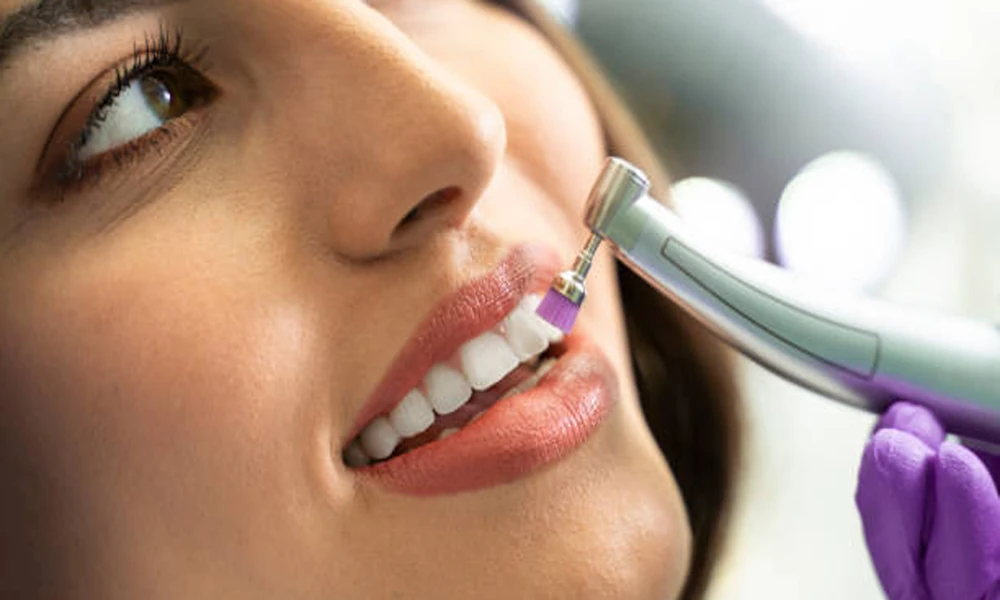

You brush, you book cleanings, and you still catch yourself hiding your smile in photos or noticing that your child covers their mouth when they laugh. Sometimes the issue is obvious, like a chipped tooth or staining that never seems to lift. Sometimes it is quieter. A teen avoids school pictures. A spouse chews on one side because a worn tooth feels rough. You may even be wondering whether a cosmetic concern is really cosmetic at all, or whether it is starting to affect comfort, confidence, and day to day life. In some cases, talking with a local Richmond dentist for implant restorations can help you understand whether the problem is also affecting function and long term oral health.
That is usually where family cosmetic dentistry starts to make sense. It is not only about getting a brighter smile. It can help when tooth shape, color, spacing, or minor damage begins to change the way you or your family members eat, speak, smile, or feel around other people. A family and cosmetic dentist looks at appearance and function together, which matters more than most people realize.
Cosmetic dental concerns often affect more than appearance
One clear sign cosmetic care may be worth considering is when a smile issue keeps showing up in daily life. A front tooth chip may seem small until it catches on your lip, draws your eye every time you look in the mirror, or makes you hold back during conversations. Stains can work the same way. Some discoloration responds to routine cleaning, but some does not, especially if it is tied to medication, injury, or changes inside the tooth. MedlinePlus explains that tooth discoloration can come from several causes, which is why a professional evaluation matters before you spend money on products that may not help.
Children and teens can feel this just as strongly as adults. A small gap, uneven edges, or visible discoloration may not seem urgent from the outside, but kids notice when they look different from their peers. That can shape confidence fast. If your child has started smiling less, covering their mouth, or avoiding social moments, cosmetic dentistry for families may be part of the answer, especially when the concern is simple to treat.
Worn, broken, or uneven teeth can signal a need for cosmetic treatment
Another sign is damage that looks minor but keeps affecting comfort or function. A worn tooth can change your bite. A cracked edge can make brushing unpleasant. A misshapen tooth can trap food and become harder to clean well. You may tell yourself it is not serious enough to address yet, but small issues often become expensive ones when they are ignored.
Cosmetic treatment can overlap with restorative care here. Bonding, veneers, reshaping, and crowns are often thought of as appearance based services, but they can also protect a weakened tooth and improve the way your bite feels. If you have ever thought, “I can live with it,” that may be true for now, but it does not mean the problem is harmless.
Injuries are another example. A fall on the playground, a sports accident, or biting down on something hard can leave a tooth chipped or loosened. MedlinePlus outlines what happens with tooth injuries and why prompt dental care matters. Even when the damage looks cosmetic at first, the inside of the tooth may need attention too.
Family dental habits can reveal when cosmetic dentistry is a smart next step
The third sign is when home care is solid, but the same concerns keep coming back. You are doing the right things and still not getting the result you want. That is frustrating, especially for parents who already stay on top of brushing, flossing, and checkups. The CDC shares practical oral health tips for children, and those basics matter. They just do not change tooth shape, close gaps, repair chips, or lift every type of stain.
That is often the moment people realize they are not failing at home care. They are simply dealing with something brushing cannot fix. If your family has healthy routines but still feels unhappy with how teeth look or function, seeing a cosmetic dentist is a reasonable next step, not an extreme one.
Common cosmetic dentistry options compared
| Concern | Common Cosmetic Option | What It May Help With | Things to Consider |
|---|---|---|---|
| Stains or dull color | Professional whitening | Brighter tooth shade, more even appearance | Not all discoloration responds the same way |
| Small chips or minor gaps | Dental bonding | Smoother shape, improved symmetry | May stain or wear over time |
| Uneven, worn, or misshapen teeth | Veneers or contouring | More balanced smile, improved edge shape | Best for carefully selected cases |
| More serious damage or weakness | Crowns | Stronger tooth structure, better appearance | Usually involves more treatment than bonding |
Cosmetic dental treatments are not one size fits all. What works well for an adult with long term staining may not be the right move for a child with a chipped front tooth. The best plans account for age, bite, oral health, budget, and how long you want the result to last.
Small steps can make the decision easier
Pay attention to behavior changes. If you or your child smile less, avoid certain foods, or keep mentioning the same tooth, write it down. Patterns matter. They help separate a passing worry from an issue that is affecting real life.
Take clear photos and list your concerns. It is easy to forget details during an appointment. A few photos and a short list, such as staining, a chip, bite discomfort, or uneven spacing, make the conversation more useful and focused.
Ask for options in levels. You do not have to jump to the biggest treatment. Ask what can be done now, what can wait, and which choices are mainly cosmetic versus protective. That gives you room to make a decision that fits your family instead of feeling pushed into one.
The right cosmetic dental care should feel practical and personal
If a smile concern has started affecting confidence, comfort, or daily habits, it is worth taking seriously. That does not mean every issue needs major treatment. It means you deserve clear answers and options that match your needs. The right cosmetic dentist will help you sort out what is cosmetic, what is functional, and where those two overlap so you can move forward with confidence.




Leave a Comment