
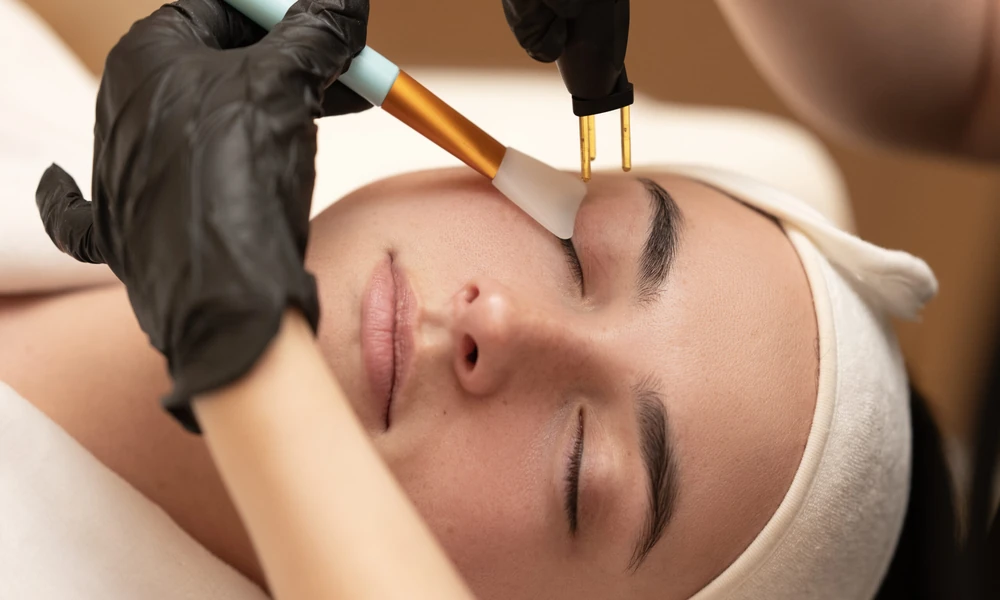

The pursuit of youthful, resilient skin has reached a new level, with regenerative aesthetics leading the charge. These treatments are not about chasing trends or dramatic makeovers. Instead, they aim to restore and rejuvenate by tapping into the body’s own ability to heal, rebuild, and renew. But among the growing number of regenerative options for collagen stimulation and volume restoration, how do you know which truly delivers the best results?
Understanding Regenerative Aesthetics: Principles and Mechanisms
What Is Regenerative Medical Aesthetics?
Regenerative medical aesthetics rely on biological materials or energy-based technologies to stimulate the body’s repair processes. The focus is not simply to “fill” but to trigger lasting cellular changes. Unlike hyaluronic acid fillers that provide immediate but temporary results, regenerative treatments encourage ongoing collagen production and healthier tissue over time.
The Role of Collagen in Skin Health and Aging
Collagen is the scaffold that keeps skin firm, supple, and youthful. As we age, collagen production drops, leading to volume loss, sagging, and wrinkles. Rebuilding collagen means not just looking younger but improving the skin’s actual health and structure.
Key Biological Materials Used in Regenerative Treatments
Innovative treatments utilize platelet-rich plasma (PRP), exosomes, stem cells, and injectable biostimulants like poly-L-lactic acid (PLLA) and calcium hydroxylapatite (CaHA). Each taps into different cellular pathways to boost collagen and elastin, restore lost volume, and enhance texture.
How Collagen Stimulation Translates to Volume Restoration
When fibroblasts, the skin’s collagen factories, are activated, new fibers form, rebuilding support and structure. The result is gradual, authentic-looking volume and improved skin quality, rather than an overfilled or unnatural appearance.
In-Depth Analysis of Leading Regenerative Treatments
Poly-L-Lactic Acid (PLLA): Mechanism, Applications, and Benefits
PLLA, known commercially as Sculptra, acts as a biostimulant. Once injected, it forms a scaffold, prompting fibroblasts to ramp up collagen synthesis over weeks to months. Initially, the treated area looks fuller due to water in the mixture, but the real transformation unfolds as collagen builds. PLLA works well for facial volume, neck, chest, hands, and even non-surgical body contouring.
Calcium Hydroxylapatite (CaHA): Dual Phase Action and Uses
CaHA (Radiesse) delivers instant volume with its gel carrier, followed by a longer phase during which its microspheres stimulate collagen and elastin. This makes it ideal for jawline, cheeks, hands, and areas that need lifting and skin tightening.
| Treatment | Immediate Volume | Collagen Stimulation | Duration of Effects | Best For |
|———–|——————|———————|———————|—————————-|
| PLLA | Temporary (days) | Strong | Up to 2 years | Gradual volumization, body |
| CaHA | Yes | Moderate-Strong | 12-18 months | Instant lift, contour |
Platelet-Rich Plasma (PRP) and Platelet-Rich Fibrin (PRF): Harnessing Growth Factors
PRP and PRF use the patient’s own blood, concentrating growth factors that signal cells to repair and regenerate. These are most effective for overall skin revitalization, fine lines, and hair restoration, offering a completely autologous and low-risk approach.
Exosomes and Stem Cell Therapies: The Frontier of Cellular Regeneration
Exosome therapy introduces powerful signaling molecules that boost cell turnover and repair. Stem cell-based treatments (still in clinical phases for skin) promise even greater potential for deep tissue rejuvenation. Both are often used to enhance recovery after microneedling or laser procedures.
Peptides and Cellular Nutrition: Supporting Collagen Synthesis at the Cellular Level
Peptides, amino acids, and micronutrients support regeneration from within, fueling cell turnover and aiding treatments like microneedling and injectables for a synergistic effect.
Complementary and Adjunctive Regenerative Modalities
Energy-Based Therapies: RF Microneedling, Laser Resurfacing, and Plasma Systems
Radiofrequency (RF) microneedling and lasers (Erbium, CO2) heat the skin, sparking collagen renewal and tightening. LED and red light therapies further support wound healing and regeneration.
Hormone Therapy: Impact on Skin Vitality and Collagen Health
Hormonal balance is often overlooked in skin health. Replacing declining hormones, especially during menopause or andropause, can rejuvenate skin and boost collagen from within.
Thread Lifts and Minimally Invasive Lifting Techniques for Volume Restoration
Thread lifts, such as the Silhouette Instalift or Aptos, offer immediate lifting while prompting collagen synthesis for longer-term contouring.
Choosing the Right Treatment Based on Aesthetic Goals
Regenerative options are not one-size-fits-all. For facial or body volumization and true collagen boost, PLLA and CaHA excel. Those with fine lines or seeking radiance may find PRP, exosomes, or cellular nutrition more suitable. Hair loss? PRP and exosomes stand out.
Combining modalities, for example, pairing RF microneedling with biostimulant injections, can boost outcomes. Consultation with a skilled specialist is crucial for a tailored, safe plan.
Experts at Clinique Anti Aging regenerative injections guide patients in Montreal toward the most effective solutions, customizing treatments to each person’s needs and goals.
Benefits, Risks, and Expectations of Regenerative Aesthetic Treatments
The appeal of regenerative techniques lies in their natural, gradual, and long-lasting improvements. Results look authentic, develop over months, and enhance tissue health, unlike temporary fillers that can look overdone or fade quickly.
Side effects are typically mild: swelling, bruising, and minor discomfort, with downtime varying by treatment. Proper evaluation and aftercare reduce risks and optimize outcomes.
Ultimately, regenerative treatments offer more than superficial fixes. They help restore confidence and well-being by tapping into the body’s natural capacity for renewal, supporting truly healthy, beautiful skin for years to come.







Leave a Comment